 CERN Martial Arts Club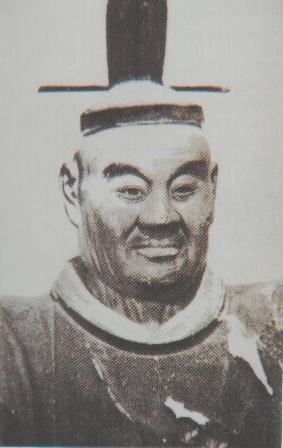
Originally known as Shingan Ryu, the style was developed by the samurai warrior Takenaga Hayato of the Sendai province.
The style was based on battlefield strategy dating from the latter half of the Sengoku Period; a time of social upheaval, political intrigue, and nearly constant military conflict in Japanese history that lasted roughly from the middle of the 15th century to the beginning of the 17th century.
In the development of Shingan Ryu, Takenaga mastered four styles of bujutsu, however still with a sense of incompletion and dissolution, he left for the capital Edo and became a servant in the house of Yagyu.
Due to his outstanding skills, Takenaga's existence was soon noticed by the famous swordsman Yagyu Munenori who challenged him to confirm his ability. Due to his high potential, Takenaga was accepted under exceptional circumstances as a direct student of Munenori and showed incomparable dedication to his training. Yagyu Shinkage Ryu was the sword school assigned to the protection of the Shogun and despite the many students who were trained in the school during the life of Munenori, we only find this one and unique example of a student being allowed to use the Yagyu name, hence the birth of the Yagyu Shingan Ryu.
Overjoyed with his accomplishment, Takenaga returned to his Sendai province to live out his life passing on what he had learnt. He took on an abundance of students including the foot soldier warriors known as the '55 men', after which the village they lived in is still named today. It is said Takenaga retired to the mountains and taught the ways of the spiritual warrior in his old age.
The tradition of Yagyu Shingan Ryu has been closely guarded since and survived down through the generations with some 130 names recorded in the lineage to the present day headmaster Shimazu Kenji Sensei.